

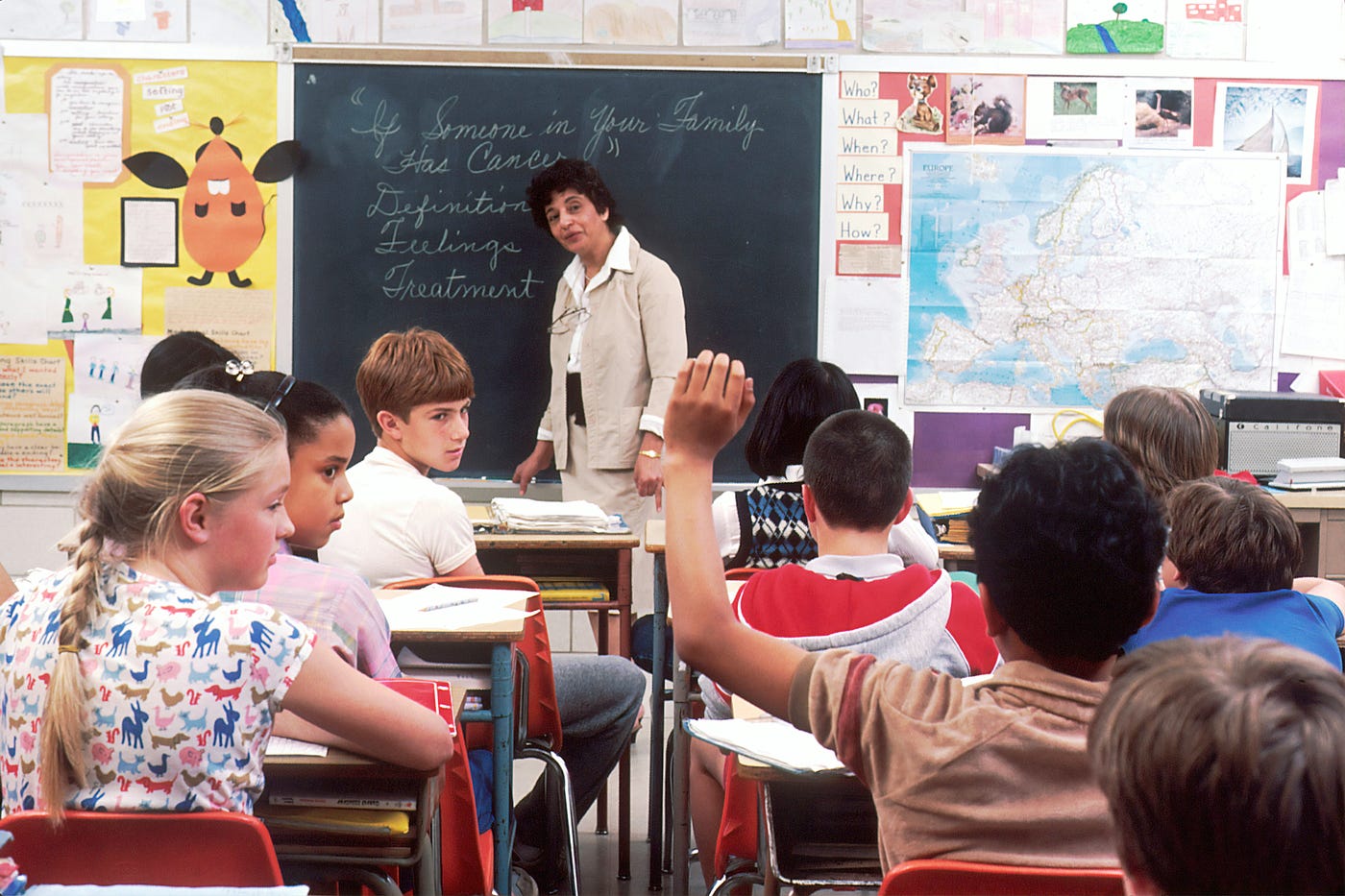
The Meaning and Role of Teachers
A teacher is far more than someone who delivers lessons. Teachers are mentors, guides, motivators, and lifelong influencers who shape not just academic knowledge but also values, behavior, and character. From early childhood education to higher studies, teachers play a central role in developing individuals and, ultimately, society.
Their work extends beyond textbooks—they inspire curiosity, build confidence, and help students discover their potential.
Why Teachers Are Important
Teachers hold a unique position in shaping both individuals and communities. Their impact often lasts a lifetime.
Key Contributions of Teachers
- Knowledge Transfer: They simplify complex concepts and make learning accessible.
- Character Building: Teachers instill discipline, ethics, and responsibility.
- Skill Development: From communication to critical thinking, they nurture essential life skills.
- Emotional Support: Many teachers act as mentors during challenging times.
- Social Development: They encourage teamwork, respect, and collaboration.
A good teacher doesn’t just teach facts—they ignite a love for learning.
Types of Teachers
Teachers come in various forms, each specializing in different stages or methods of education.
Common Types
- Primary School Teachers: Focus on foundational skills like reading, writing, and basic math.
- Secondary School Teachers: Teach specialized subjects such as science, history, or mathematics.
- Higher Education Professors: Provide advanced knowledge and research guidance.
- Special Education Teachers: Work with students who have unique learning needs.
- Online Educators: Deliver lessons through digital platforms.
Each type plays a vital role in the educational journey.
Qualities of a Great Teacher
Not every teacher leaves a lasting impression, but great ones share certain qualities that set them apart.
Essential Traits
- Patience: Understanding that every student learns differently.
- Communication Skills: Explaining concepts clearly and effectively.
- Passion for Teaching: Genuine enthusiasm for education.
- Adaptability: Adjusting methods to suit diverse learners.
- Empathy: Connecting with students emotionally.
- Creativity: Making lessons engaging and interactive.
A great teacher doesn’t just teach the subject—they teach the student.
Challenges Faced by Teachers
Despite their importance, teachers face numerous challenges in their profession.
Common Challenges
- Heavy Workload: Lesson planning, grading, and administrative duties.
- Large Class Sizes: Difficulty in giving individual attention.
- Technological Changes: Adapting to digital tools and online teaching.
- Limited Resources: Especially in underfunded schools.
- Emotional Pressure: Managing student behavior and expectations.
Addressing these challenges is essential to improve the quality of education.
The Evolving Role of Teachers in the Digital Age
The role of teachers has changed significantly with the rise of technology.
Modern Responsibilities
- Facilitators of Learning: Guiding students rather than just lecturing.
- Digital Mentors: Teaching how to use technology responsibly.
- Lifelong Learners: Continuously updating their own skills.
- Content Curators: Selecting relevant and accurate information.
Today’s teachers blend traditional methods with modern tools to create effective learning environments.
How Teachers Influence Society
Teachers are the foundation of any developed society. They educate future leaders, innovators, and citizens.
Broader Impact
- Economic Growth: Skilled individuals contribute to national development.
- Social Equality: Education reduces inequality and promotes fairness.
- Cultural Preservation: Teachers pass on traditions and values.
- Innovation: Encouraging creativity leads to advancements.
In many ways, teachers shape the future before it even arrives.
How to Support Teachers
Supporting teachers is crucial for a strong education system.
Ways to Help
- Respect the Profession: Recognize their contribution.
- Provide Resources: Ensure access to quality teaching tools.
- Encourage Training: Support professional development.
- Reduce Workload: Minimize unnecessary administrative tasks.
- Promote Collaboration: Build supportive school environments.
When teachers thrive, students succeed.
Conclusion
Teachers are not just educators—they are architects of the future. Their influence extends far beyond classrooms, shaping individuals and societies alike. Investing in teachers means investing in a better world.
FAQs
1. What is the main role of a teacher?
The main role of a teacher is to educate, guide, and support students in their academic and personal development.
2. Why are teachers important in society?
Teachers shape future generations, contribute to economic growth, and promote social values and equality.
3. What qualities make a teacher effective?
Patience, communication skills, empathy, adaptability, and passion for teaching are key qualities.
4. What challenges do teachers face today?
Teachers deal with heavy workloads, large class sizes, technological changes, and limited resources.
5. How has technology changed teaching?
Technology has introduced online learning, digital tools, and new teaching methods, making education more accessible.
6. What is the difference between a teacher and a mentor?
A teacher focuses on academic learning, while a mentor provides guidance, support, and personal development.
7. How can students support their teachers?
Students can show respect, participate actively, complete assignments on time, and maintain discipline in class.