

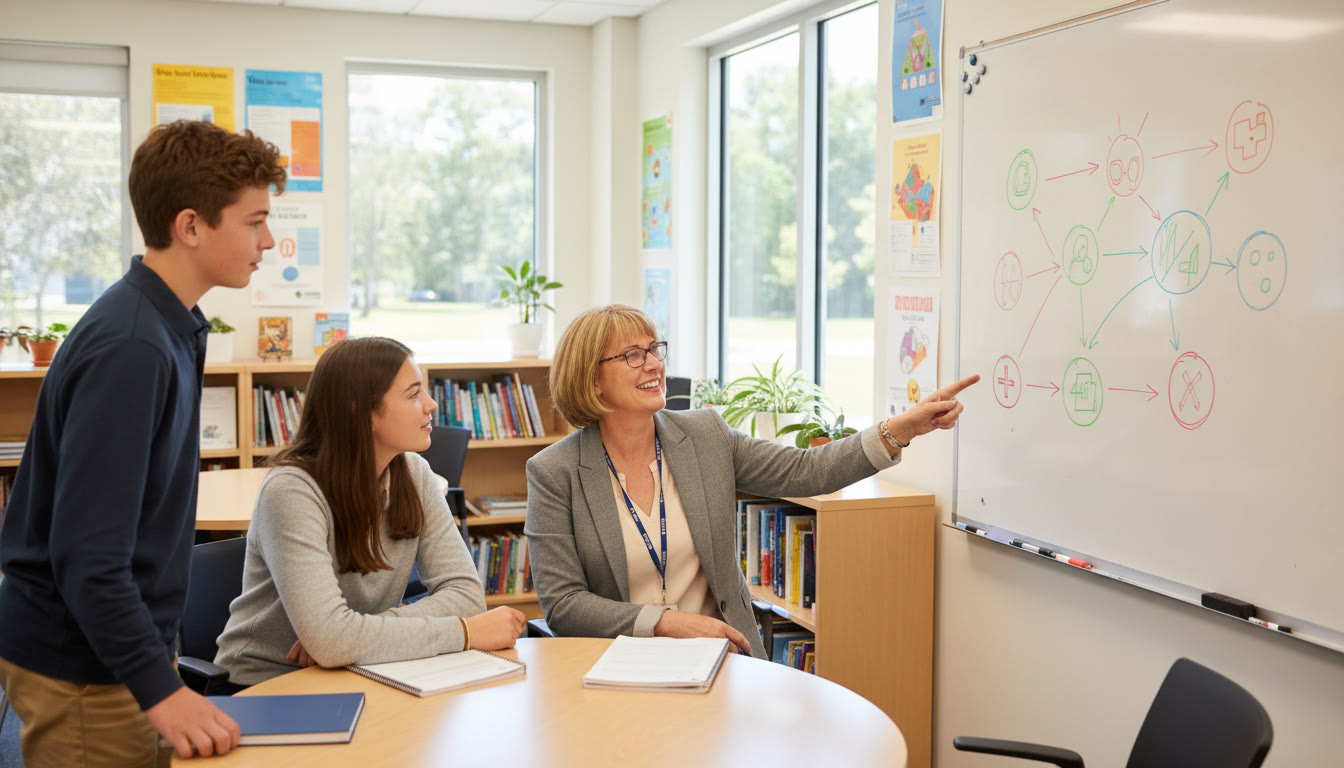
The International Baccalaureate Diploma Programme is widely recognized for its balanced and academically challenging curriculum. Designed for students aged 16 to 19, it encourages critical thinking, independent learning, and global awareness while preparing learners for higher education. Although the programme offers many long-term benefits, students often encounter challenges as they adapt to its demanding academic expectations. With the right strategies, consistent effort, and proper guidance, these challenges can become valuable opportunities for personal and academic growth.
The IBDP is known for encouraging students to develop knowledge across multiple subject areas while strengthening essential life skills such as research, communication, and time management. Since students are required to balance coursework, internal assessments, extended writing, and extracurricular commitments, maintaining a structured approach becomes essential for success. Understanding the common obstacles early can help students manage the programme with greater confidence.
Managing a Heavy Academic Workload
One of the biggest challenges students face is handling the extensive workload. The programme requires learners to study multiple subjects while simultaneously completing assignments, projects, and assessments. Many students initially struggle to balance these responsibilities.
Creating a realistic study timetable is one of the most effective ways to stay organized. Dividing large tasks into smaller milestones makes them more manageable and reduces last-minute stress. Setting daily and weekly goals also helps students monitor their progress and avoid falling behind.
Balancing Internal Assessments and Deadlines
Internal assessments play a significant role in overall performance. Since different subjects have separate submission deadlines, students can easily feel overwhelmed if they postpone their work.
Planning ahead is the key to managing these assessments successfully. Starting research early, maintaining regular communication with teachers, and reviewing progress frequently can prevent unnecessary pressure closer to submission dates. Consistent effort over time produces better-quality work than rushing to complete everything at the last moment.
Developing Strong Time Management Skills
Many students find it difficult to balance academics with extracurricular activities, hobbies, and personal commitments. Poor time management can increase stress and reduce productivity.
Using planners, digital calendars, or study apps can help students allocate dedicated time for studying, relaxation, and physical activities. Following a consistent routine allows students to maintain focus while avoiding burnout. Taking short breaks between study sessions also improves concentration and learning efficiency.
Handling the Extended Essay
The Extended Essay is often considered one of the most demanding components of the programme. Writing a structured research paper requires students to develop analytical thinking, conduct independent research, and organize information effectively.
Selecting a topic that genuinely interests the student makes the writing process more enjoyable. Breaking the project into stages such as research, outlining, drafting, and editing makes the task less intimidating. Seeking regular feedback from supervisors ensures steady improvement throughout the writing journey.
Coping with Exam Pressure
Preparing for examinations can create anxiety, especially when students feel they must perform well across several subjects. Stress can negatively impact both confidence and academic performance if left unmanaged.
Students benefit from creating revision schedules that focus on consistent learning rather than intensive last-minute preparation. Practicing previous examination questions, reviewing class notes regularly, and participating in study groups can improve understanding and build confidence before exams.
Maintaining Motivation Throughout the Programme
Since the programme spans two years, maintaining motivation over a long period can sometimes become difficult. Students may experience temporary setbacks or feel discouraged after challenging assessments.
Celebrating small achievements helps maintain a positive mindset. Tracking personal progress instead of comparing results with others encourages continuous improvement. Staying connected with supportive teachers, classmates, and family members also provides motivation during demanding periods.
Strengthening Critical Thinking and Research Skills
The programme places significant emphasis on analytical thinking rather than memorization. Students who are accustomed to traditional learning methods may initially find this transition challenging.
Reading widely, participating in classroom discussions, asking thoughtful questions, and practicing independent research gradually strengthen these skills. Over time, students become more confident in evaluating information, presenting balanced arguments, and solving complex problems.
Maintaining a Healthy Study-Life Balance
Academic success depends not only on effective studying but also on maintaining overall well-being. Lack of sleep, poor eating habits, and excessive stress can reduce concentration and academic performance.
Students should prioritize regular exercise, healthy nutrition, adequate sleep, and relaxation. Engaging in creative activities, sports, or mindfulness practices helps maintain emotional well-being while improving focus and resilience throughout the academic journey.
Conclusion
The IBDP is undoubtedly challenging, but it also provides students with exceptional opportunities to develop academic excellence, independence, and lifelong skills. Every challenge, whether related to workload, assessments, research, or examinations, can be managed through careful planning, consistent effort, and a positive mindset. By adopting effective study habits, seeking guidance when needed, and maintaining a healthy balance between academics and personal well-being, students can confidently navigate the IBDP and prepare themselves for future success in higher education and beyond.