

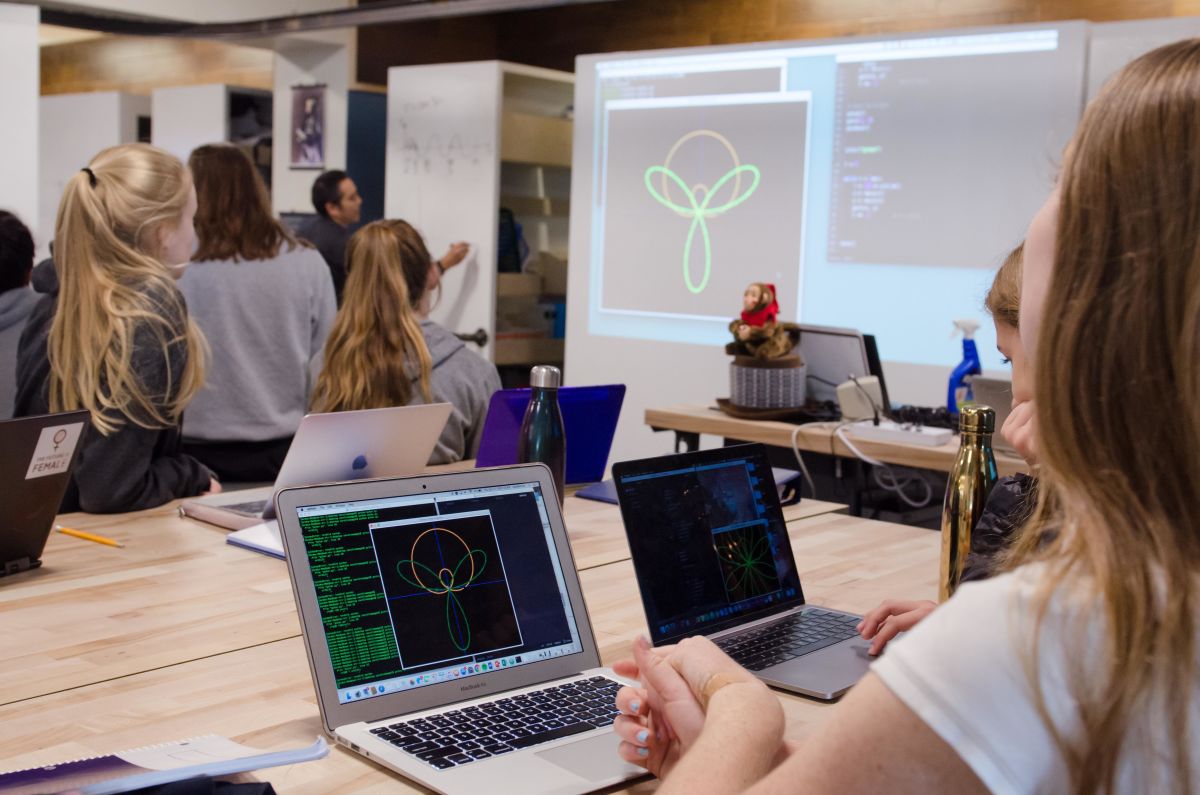
What is Skill-Based Education?
Skill-based education focuses on developing practical abilities and real-world competencies rather than relying solely on theoretical knowledge. It emphasizes what learners can do with what they know.
Unlike traditional systems that prioritize memorization, this approach encourages students to apply knowledge in real-life situations, making learning more meaningful and effective.
Why Skill-Based Education Matters Today
The modern world demands more than academic qualifications. Employers seek individuals who can adapt, solve problems, and think critically.
Key Reasons for Its Importance
- Bridges the Gap Between Education and Employment
- Enhances Problem-Solving Abilities
- Promotes Creativity and Innovation
- Prepares Students for Real-World Challenges
- Encourages Lifelong Learning
With industries evolving rapidly, skills have become just as important as degrees.
Types of Skills Students Should Develop
A balanced education system should focus on a variety of skills that prepare students for both personal and professional success.
Essential Skill Categories
- Technical Skills: Coding, data analysis, engineering basics
- Communication Skills: Public speaking, writing, interpersonal communication
- Critical Thinking: Decision-making and analytical reasoning
- Digital Literacy: Using modern tools and platforms effectively
- Emotional Intelligence: Understanding and managing emotions
These skills collectively help individuals navigate complex environments with confidence.
How Schools and Colleges Can Implement Skill-Based Learning
Educational institutions play a crucial role in shaping how students learn and apply knowledge.
Effective Implementation Strategies
- Project-Based Learning: Students work on real-life projects
- Internships and Apprenticeships: Exposure to professional environments
- Interactive Classrooms: Discussions, debates, and collaborative activities
- Use of Technology: Simulations, virtual labs, and online tools
- Continuous Assessment: Evaluating practical understanding over rote learning
These methods make learning more engaging and relevant.
Benefits for Students and Society
Skill-based education not only benefits individuals but also contributes to societal growth.
Key Advantages
- Higher Employability: Students become job-ready
- Entrepreneurial Mindset: Encourages innovation and startups
- Economic Growth: Skilled workforce boosts productivity
- Confidence Building: Practical knowledge increases self-belief
A society that values skills is better equipped to handle economic and social challenges.
Challenges in Adopting Skill-Based Education
Despite its advantages, implementing this approach is not without difficulties.
Common Barriers
- Lack of Infrastructure: Limited access to tools and labs
- Traditional Mindsets: Resistance to change from conventional methods
- Teacher Training Issues: Need for modern teaching skills
- Assessment Limitations: Difficulty in evaluating practical skills
Overcoming these challenges requires policy changes and continuous investment in education systems.
The Future of Skill-Oriented Learning
The future points toward an education system where skills and knowledge go hand in hand. Hybrid models combining academic learning with practical exposure will become the norm.
Emerging Trends
- Micro-Credentials and Certifications
- Online Skill Platforms
- Industry Collaboration in Education
- AI-Powered Personalized Learning
These trends highlight a shift toward more flexible and learner-centered education systems.
Conclusion
Skill-based education is no longer optional—it is essential. By focusing on practical abilities, education systems can prepare students not just for exams, but for life. A strong emphasis on skills ensures that learners are capable, confident, and ready to face future challenges.
FAQs
1. What is the main goal of skill-based education?
The main goal is to equip students with practical abilities that can be applied in real-world situations.
2. How is skill-based education different from traditional education?
It focuses more on application and hands-on learning rather than memorization of theoretical concepts.
3. Why do employers prefer skill-based candidates?
Because they are job-ready, adaptable, and capable of solving real-world problems.
4. Can skill-based education replace traditional education?
It is not a replacement but a complementary approach that enhances traditional learning.
5. What are examples of skill-based learning activities?
Projects, internships, workshops, and simulations are common examples.
6. How can students develop skills outside school?
Through online courses, volunteering, part-time work, and personal projects.
7. Is skill-based education suitable for all fields?
Yes, it can be adapted to almost every field, from technology to arts and business.