

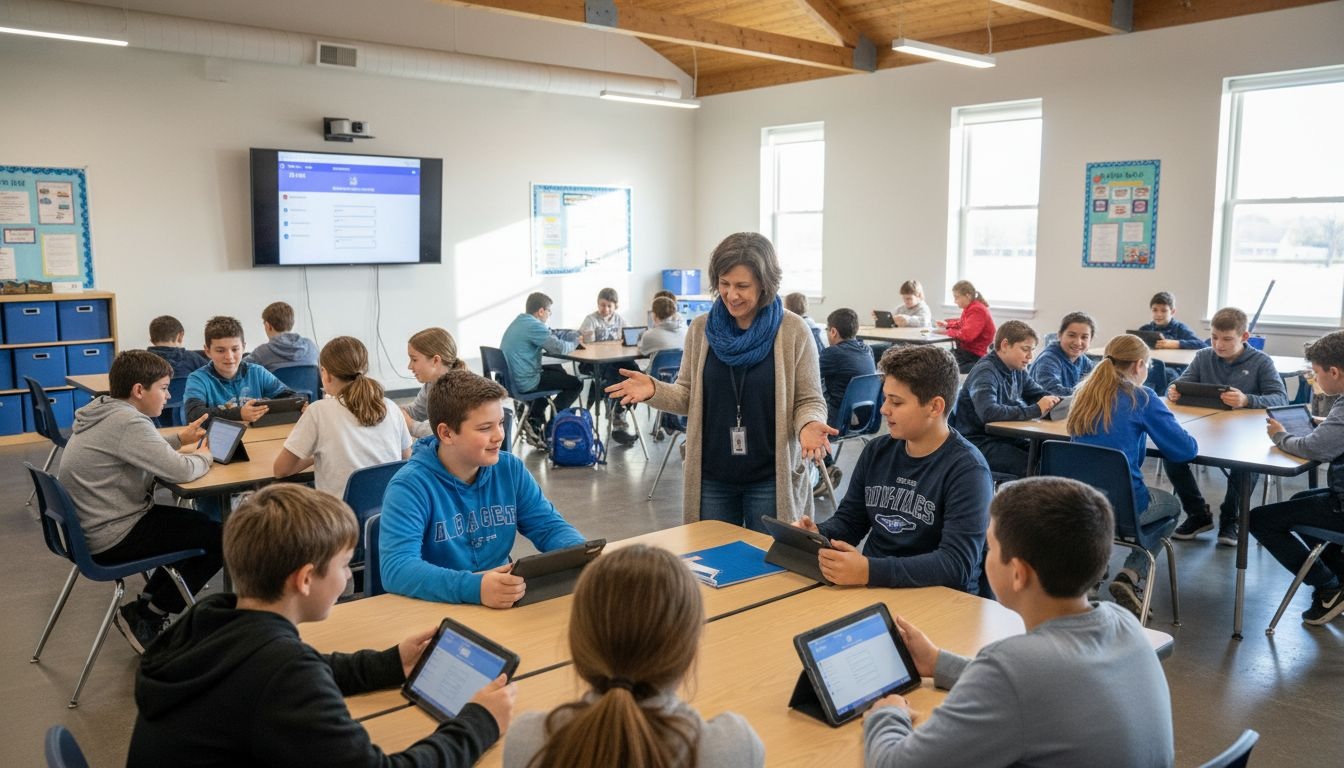
In today’s educational landscape, engaging students through innovative and interactive assemblies is paramount for fostering a dynamic learning environment. Schools are continuously seeking ways to captivate students’ attention while enriching their knowledge and skills beyond the traditional classroom setting. Educational assemblies serve as a unique platform for this purpose, offering an opportunity to introduce a variety of subjects in a lively and memorable manner. From science demonstrations and cultural showcases to motivational talks and workshops, the possibilities for interactive assemblies are vast and varied. These events not only enhance students’ understanding of complex concepts but also promote teamwork, critical thinking, and creativity. As educators strive to create inclusive and stimulating experiences for learners of all ages, it becomes essential to explore effective ideas that can transform ordinary assemblies into extraordinary educational experiences. This article will delve into some of the top ideas for interactive and educational assemblies that schools can implement, providing practical insights and examples to inspire educators and administrators. By embracing these innovative approaches, schools can harness the power of interactive learning to enrich student engagement and inspire a lifelong passion for knowledge.
– Engaging Science Demonstrations for Students
Incorporating engaging science demonstrations into assemblies for schools not only captivates student attention but also fosters a deeper understanding of scientific concepts. These demonstrations can range from explosive chemical reactions to captivating physics experiments that illustrate principles like force and motion. By using visual and interactive elements, educators can bridge the gap between theoretical knowledge and real-world applications, making science more accessible and enjoyable for students of all ages.
Furthermore, such assemblies provide an excellent opportunity for collaborative learning, encouraging students to ask questions and participate actively. When students witness scientific principles in action, their curiosity is piqued, leading to enhanced retention of information and a greater interest in pursuing STEM fields. Ultimately, these demonstrations can inspire a generation of problem-solvers and critical thinkers, reinforcing the importance of science in everyday life and future careers.
– Creative Storytelling Workshops to Inspire
Creative storytelling workshops within assemblies for schools serve as a dynamic platform for enhancing students’ communication skills and fostering a love for literature. These workshops engage students through interactive activities that encourage them to explore their imagination, articulate their ideas, and connect with peers. By utilizing various storytelling techniques, such as character development and narrative structure, students not only learn how to craft compelling stories but also gain confidence in their ability to share their thoughts and experiences effectively.
In addition to honing individual skills, these workshops promote teamwork and collaborative creativity, as students often work in groups to develop and present their stories. This shared experience cultivates a sense of community and enhances social-emotional learning, allowing students to appreciate diverse perspectives and narratives. Ultimately, creative storytelling workshops can ignite a passion for reading and writing, equipping students with essential life skills that extend far beyond the classroom.
– Interactive History Reenactments for Learning
Interactive history reenactments within assemblies for schools provide a captivating approach to engage students in the exploration of historical events and figures. By immersing students in reenacted scenarios, they gain a deeper understanding of the context, motivations, and consequences of past actions. This experiential learning fosters critical thinking skills as participants analyze historical decisions and reflect on their implications in today’s society. Students not only witness history but actively participate in it, allowing them to forge personal connections to the material that traditional teaching methods may not achieve.
Moreover, these reenactments encourage collaboration and communication among students, as they often work in teams to research, script, and perform specific historical scenes. This cooperative effort not only enhances their knowledge of history but also strengthens their social skills and fosters a sense of camaraderie. The emotional engagement elicited by these performances can transform students’ perceptions of history from a mere collection of dates and events into a vibrant narrative that shapes their understanding of the world around them. Ultimately, interactive history reenactments serve as a powerful tool for enriching the educational experience within assemblies for schools.
In conclusion, incorporating interactive and educational assemblies into school programs not only enhances student engagement but also enriches the learning experience. By embracing innovative ideas like hands-on workshops, immersive storytelling, and technology-driven presentations, schools can foster a dynamic environment that encourages curiosity and collaboration. These assemblies provide a unique opportunity for students to connect with diverse subjects and perspectives, ultimately supporting their academic and personal growth. As educators and administrators explore these top ideas, they can create memorable experiences that inspire students to become active participants in their own learning journeys.